

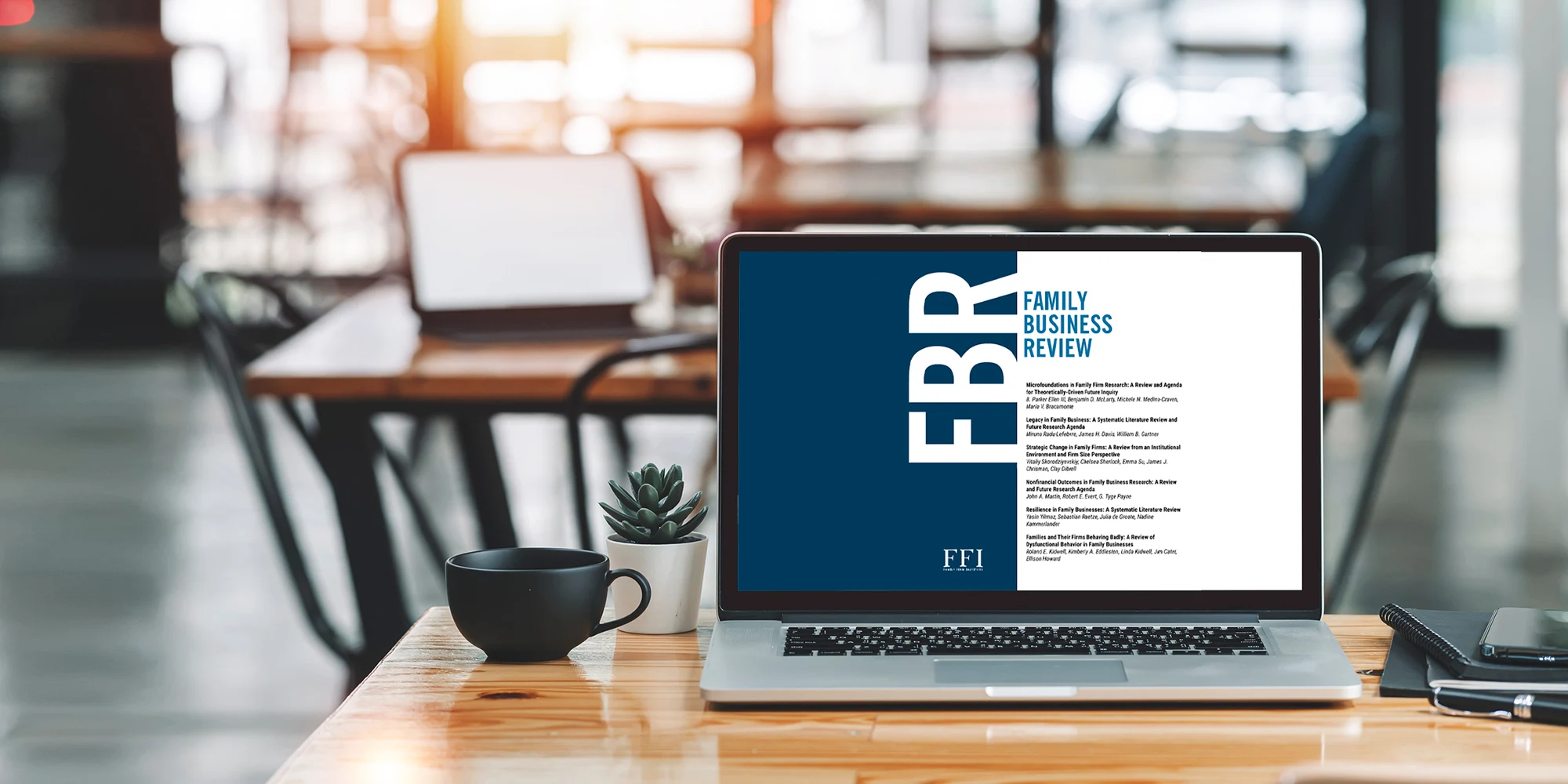
e are pleased to provide you with an advance look at the March 2024 issue of Family Business Review (FBR).
As an FFI member, you have access to the complete library of FBR articles at no charge.
To access back issues of FBR, follow these instructions:
- Log in to your FFI member account
- Then click: my.ffi.org/page/family-business-review
- Click the link on this page to go to Family Business Review and you will automatically be redirected and logged in to FBR to begin reading.
A refereed journal published by SAGE, FBR has a two-year impact factor of 8.8, with a ranking of 28 out of 154 journals in Business. Source: Journal Citation Report® (Source Clarivate, 2023).
Joshua J. Daspit, Kristen Madison, Mattias Nordqvist, Philipp Sieger

Joshua J. Daspit

Kristen Madison

Mattias Nordqvist

Philipp Sieger
About the Authors
Kristen (Kincy) Madison, FFI Fellow, is an associate professor of entrepreneurship and holds the Student Ventures Chair in the School of Entrepreneurship at Oklahoma State University. Dr. Madison is a family business scholar, with much of her research investigating the influence of family-related characteristics on family firm performance and on the treatment and perceptions of nonfamily employees. She serves on the editorial review boards of Family Business Review, Journal of Business Venturing, Entrepreneurship Theory & Practice, and Journal of Family Business Strategy.
Mattias Nordqvist, FFI Fellow, holds the SEB Chair in Entrepreneurship and Family Business. He is a full professor in business administration at the House of Innovation (HOI), Stockholm School of Economics (SSE). His teaching, research, and outreach activities concentrate on entrepreneurship, strategic renewal, and governance in private companies, in particular family businesses. He is an associate editor of Family Business Review.
Philipp Sieger is an associate professor for strategic entrepreneurship at the University of Bern. In his research and teaching activities, he focuses on different topics in the context of entrepreneurship and family firms, such as new venture creation and corporate entrepreneurship. He has published papers in renowned journals such as JMS, JBV, ETP, SEJ, and FBR. He is an associate editor at Family Business Review and CEO of the global GUESSS project.
B. Parker Ellen III, Benjamin D. McLarty, Michele N. Medina-Craven, Maria V. Bracamonte
- To what extent has the microfoundations movement taken hold in the family business literature?
- What theoretical perspectives have guided existing microfoundations research in family business?
- What opportunities exist for theoretically-driven future research of microfoundations in family business?

B. Parker Ellen III

Benjamin D. McLarty
Michele N. Medina-Craven
Maria V. Bracamonte
About the Authors
Benjamin D. McLarty (PhD 2015, Louisiana State University) is an associate professor of entrepreneurship at Rowan University. His research interests include individual differences, personality, job performance, new venture formation, and family business. He serves as an associate editor for the Journal of Small Business Management and on the editorial review board for Family Business Review.
Michele N. Medina-Craven is an assistant professor of management at Mississippi State University in the Department of Management and Information Systems. She earned her PhD from the University of North Texas. Her research interests include workplace bullying, identity, justice, and employee-level issues within family firms. She currently serves on the editorial review board of Family Business Review.
Maria V. Bracamonte is a doctoral student in Management at Mississippi State University. Her research interests include organizational behavior, organizational politics, and family business.
Miruna Radu-Lefebvre, James H. Davis, William B. Gartner
- What is legacy in family business?
- Who sends and receives legacy in family business, and why?
- How is legacy sent and received in family business?
- By which contexts is legacy moderated?

Miruna Radu-Lefebvre

James H. Davis

William B. Gartner
About the Authors
James H. Davis is the Vernon M. and MaRee C. Buehler Endowed Professor of Management and chairman of the Marketing and Strategy Department in the Huntsman School of Business at Utah State University. His research focuses upon governance. He is best known for his groundbreaking research on stewardship theory, trust, influence, and legacy.
William B. Gartner is the Bertarelli Foundation Distinguished Professor of Family Entrepreneurship at Babson College and a Visiting Professor of Entrepreneurship at Linnaeus University. His scholarship spans an array of topics in the entrepreneurship field, including entrepreneurship as practice, “translating entrepreneurship” across cultures and countries, and the influence of legacy on family entrepreneurship.
Vitaliy Skorodziyevskiy, Chelsea Sherlock, Emma Su, James J. Chrisman, Clay Dibrell
- How does the strength of property rights in the institutional environment influence the strategic change (internationalization, innovation, diversification) of small and medium size family firms?
- How does the strength of property rights in the institutional environment influence the strategic change (internationalization, innovation, diversification) of large family firms?
- To what extent is strategic change heterogeneous among family firms of different sizes in different institutional environments?

Vitaliy Skorodziyevskiy
Chelsea Sherlock

Emma Su

James J. Chrisman

Clay Dibrell
About the Authors
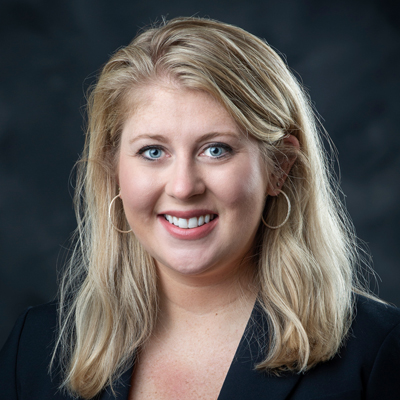
Chelsea Sherlock is an assistant professor of management in the Department of Management and Information Systems at Mississippi State University. Her research interests include family business, innovation, and diversification and exit strategies.
Emma Su is an assistant professor of management in the School of Business Administration at the University of Dayton. Her research interests include various topics related to strategic management in family firms. Her research has appeared in peer-reviewed journals, including Family Business Review, Journal of Business Ethics, Journal of Business Research, among others.
James J. Chrisman is the Julia Bennett Rouse Professor of Management at Mississippi State University and a senior editor of Entrepreneurship Theory and Practice.
Clay Dibrell is a professor of management, Chair of Entrepreneurial Excellence, and Co-Director of the Center for Innovation and Entrepreneurship at The University of Mississippi. He is an editorial board member of Journal of Family Business Strategy and on the editorial review board of Family Business Review with research interests in governance, entrepreneurial behaviors and exits.
John A. Martin, Robert E. Evert, G. Tyge Payne
- What is the current state of the family business literature examining nonfinancial outcomes (NFOs)?
- What are the future research opportunities for family business scholars regarding NFOs?

John A. Martin

Robert E. Evert

G. Tyge Payne
About the Authors
Robert E. Evert (PhD, Texas Tech University) is an assistant professor of management at the United States Air Force Academy.
G. Tyge Payne, FFI Fellow, is the H. Norman Saurage Jr. and Community Coffee Company Endowed Chair of Entrepreneurship and Professor of Strategic Entrepreneurship in the Stephenson Department of Entrepreneurship & Information Systems, E.J. Ourso College of Business, Louisiana State University (LSU). He is a former editor-in-chief of Family Business Review and a current field editor of the Journal of Business Venturing.
Yasin Yilmaz, Sebastian Raetze, Julia de Groote, Nadine Kammerlander
- What is the current state of the literature on resilience in family businesses?
- How do family business idiosyncrasies unfold in the context of organizational resilience?
- How is family business resilience defined in the literature? How should it be defined?
- What are promising avenues for future research related to family business resilience?

Yasin Yilmaz

Sebastian Raetze
Julia de Groote
Nadine Kammerlander
About the Authors
Sebastian Raetze has been an assistant professor at the Institute of Leadership and Change Management at Johannes Kepler University Linz since 2022. He received his PhD in Business Administration from the German University of Excellence TU Dresden in 2020. Sebastian’s research is focused on resilience and adaptation at and across multiple organizational levels.
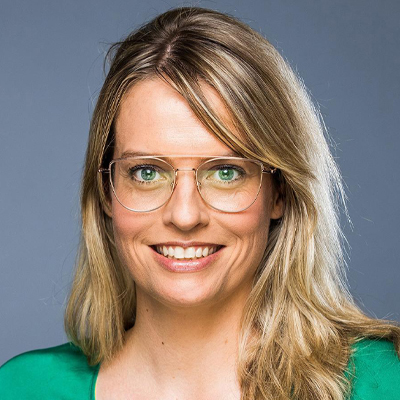
Julia de Groote is Merck Finck Assistant Professor of Family Business at WHU – Otto Beisheim School of Management. Her research focuses on the question of how companies can be sustainably successful in ever-changing environments by leveraging innovation and leadership.
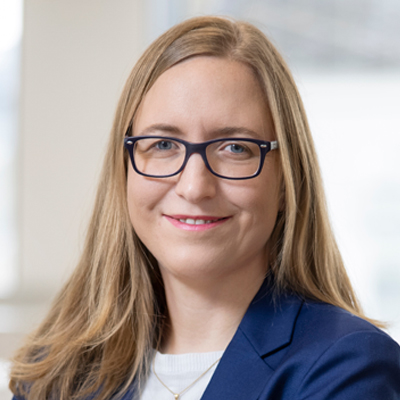
Nadine Kammerlander, FFI Fellow, has been a professor at WHU – Otto Beisheim School of Management since 2015. She holds the Chair of Family Business. She was previously an assistant professor at the University of St. Gallen. Her research focuses on innovation, employees, and governance in family businesses and family offices.
Roland E. Kidwell, Kimberly A. Eddleston, Linda Kidwell, Jim Cater, Ellison Howard
- What kinds of dysfunctional behaviors have been studied in a family firm context? What are the potential antecedents of these behaviors? What are their consequences?
- Why are family firms and their stakeholders affected differently by dysfunctional behaviors? What factors explain these differences?
- Why is dysfunctional behavior more likely among some family members and family firms than others?

Roland E. Kidwell
Kimberly A. Eddleston

Linda Kidwell

Jim Cater
Ellison Howard
About the Authors
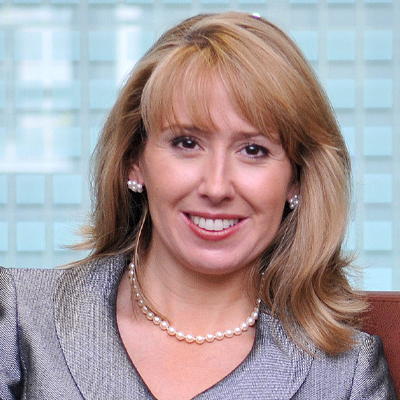
Kimberly A. Eddleston, FFI Fellow, is the Schulze Distinguished Professor of Entrepreneurship and Montoni Research Fellow at the D’Amore-McKim School of Business, Northeastern University. She is also an academic scholar at Cornell University’s Smith Family Business Initiative and founding editor of FamilyBusiness.org. Professor Eddleston’s research focuses on family businesses and the careers of entrepreneurs.
Linda Kidwell is an associate professor of accounting and chair of the Accounting Department at Nova Southeastern University. Her research focuses on ethics, fraud, governmental accounting, and interdisciplinary topics. Her work has appeared in the Journal of Business Ethics, Journal of Emerging Technologies in Accounting, and Journal of Accounting and Public Policy, among other journals.
Jim Cater, FFI Fellow, is a professor of management and the director of the Center for Family and Small Enterprises in the Soules College of Business at The University of Texas at Tyler, where he has served for the past twelve years. Jim managed his family’s retail furniture business before returning to school for his doctoral studies in Management at Louisiana State University.
Ellison Howard is a PhD candidate at Florida Atlantic University’s College of Business. Her research interests include entrepreneurship, family business, dysfunction within family business, and how gender and race/ethnicity relate to those topics. Prior to her graduate studies, she owned a boutique marketing firm, working with small family businesses.
Today’s issue, which includes six distinguished organizations, is the first in a series to be continued throughout the year.
 Dates to Remember
NOW
Register today
1
View Details
Deadline for Best Unpublished Research Paper Submissions
View Details
1
Learn more and submit
Deadline for GEN Scholarship Award applications
Learn more and apply